Apple 1997 Annual Loss About $1 Billion | Apple 1997 Crisis | Apple 1997 Net Sales | Apple 1997 Revenue | Apple Financial Crisis 1997 | Apple in 1997 | Apple Returned to Profitability 1997 | Apple Revenue 1997 | Apple Turnaround
Discover how Apple, once on the verge of collapse, became a $3 trillion powerhouse thanks to the vision of Steve Jobs.
Introduction: Apple’s Fall from Grace
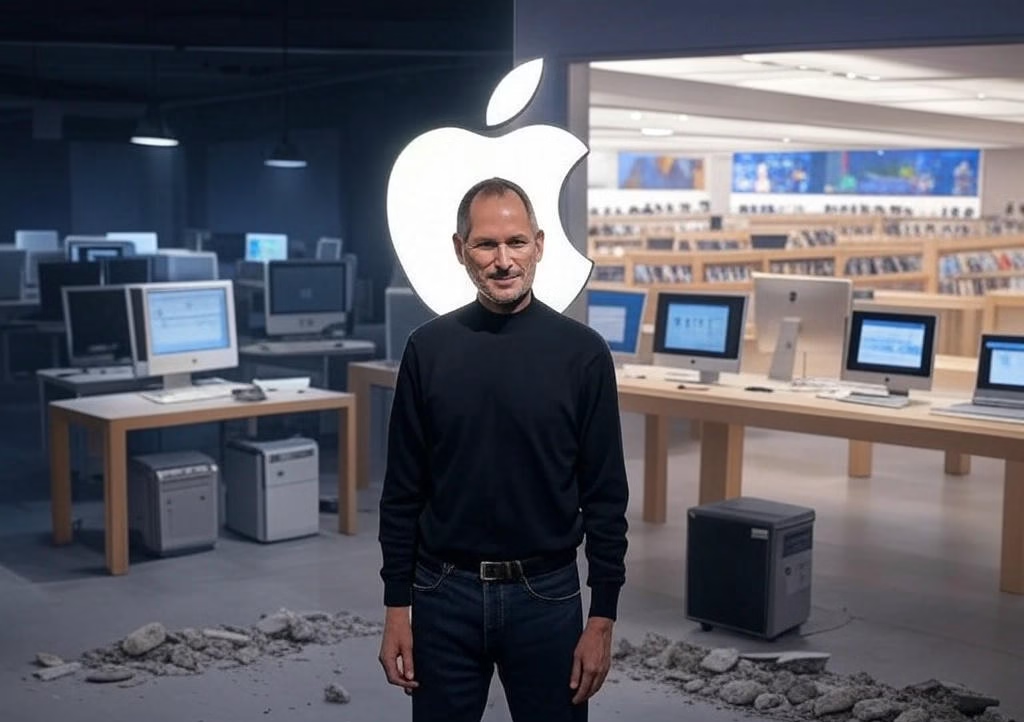
In 1997, Apple Inc. was in a freefall. Once a pioneer in personal computing, the company had become a shadow of its former self. Losses exceeded $1 billion annually, product lines were bloated, and stock value had plunged by 80% since 1992. The Macintosh was no longer the market leader it once was, and competitors like Microsoft and IBM dominated the tech space.
Retailers reduced shelf space for Apple products, employee morale was at an all-time low, and the company was just 90 days away from bankruptcy. Nevertheless, amidst this chaos, the return of co-founder Steve Jobs ignited one of the most remarkable corporate turnarounds in history.
Table of Key Facts: Apple’s Transformation at a Glance
| Aspect | 1997 (Pre-Turnaround) | 2011 (Post-Turnaround) | 2022 (Modern Impact) |
|---|---|---|---|
| Market Capitalization | $1.5 billion | $321.3 billion | $3 trillion |
| Stock Price | $0.20 | $12.45 | Over $175 |
| Annual Revenue | $6.53 billion | $34.75 billion (2008) | $394.3 billion |
| Product Line | 70+ scattered products | Streamlined, high-impact lineup | Industry-defining ecosystem |
| CEO | Gil Amelio (then Jobs as interim) | Steve Jobs | Tim Cook |
| Public Perception | Weak, declining tech brand | Respected innovator | Global tech leader |
The Dark Days: Apple’s Struggles in 1997
Apple’s crisis wasn’t just about numbers—it was a systemic breakdown. Leadership was inconsistent, innovation had stalled, and the company was losing ground fast to PC manufacturers offering better performance at lower prices. The Macintosh, once iconic, became outdated and overpriced. Internal teams were disorganized, and investors were preparing for the worst.
The Return of Steve Jobs: A New Era Begins
In July 1997, Steve Jobs rejoined Apple as interim CEO following the company’s acquisition of NeXT, which he had established after departing Apple in 1985. Jobs wasted no time. With laser focus and a daring vision, he began dismantling the inefficiencies that plagued the company.
His goal: simplify, innovate, and realign Apple with its original mission—creating revolutionary technology with elegance and simplicity.
Also read this:
How Steve Jobs Revived Apple
1. Strategic Partnership with Microsoft
In a shocking move, Jobs announced a $150 million investment from Microsoft at Macworld 1997. Internet Explorer became the default browser on Macs, ensuring short-term stability and boosting market confidence. The deal also helped Microsoft deflect monopoly charges, proving mutually beneficial.
2. Streamlining Apple’s Product Line
Jobs cut down Apple’s sprawling product portfolio, focusing on four key categories: consumer/professional desktops and laptops. He eliminated underperformers like the Newton PDA and Pippin gaming console. This allowed Apple to concentrate on quality and innovation.
3. “Think Different” Advertising Campaign
The iconic Think Different campaign, launched with the help of TBWA/Chiat/Day, reframed Apple’s image. Targeting creatives, rebels, and innovators, the campaign rekindled emotional connections with customers and reestablished Apple as a brand for dreamers and changemakers.
4. Launching Revolutionary Products
Jobs ushered in an era of innovation that produced some of the most impactful consumer electronics ever:
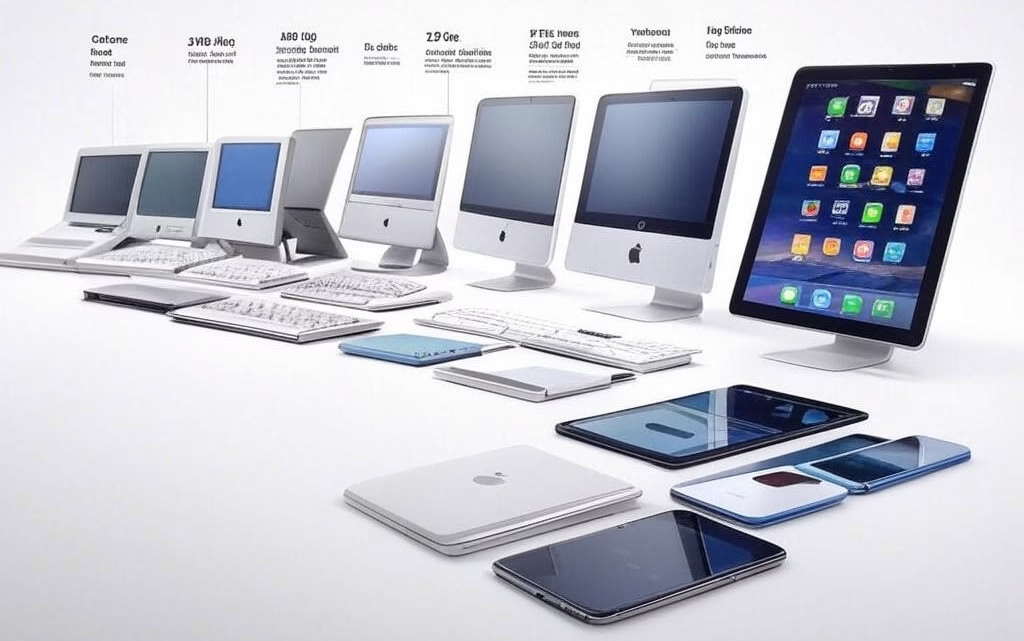
- iMac (1998) – Bold, colorful, and user-friendly
- iPod (2001) – Reinvented music consumption
- iPhone (2007) – Revolutionized mobile technology
- iPad (2010) – Created the tablet market
These weren’t just successful products—they were cultural milestones.

The Outcome: From Collapse to Tech Superpower
Jobs’ bold strategies transformed Apple into a global powerhouse:
- Stock Growth: From $0.20 to over $175 per share
- Revenue Surge: From $6.5B to nearly $400B
- Valuation: First U.S. company to hit $3 trillion
Apple’s renaissance set new standards for design, user experience, and innovation—reshaping not only the tech industry but consumer expectations worldwide.
Lessons from Apple’s Incredible Turnaround
Apple’s rebirth offers key takeaways for entrepreneurs and businesses alike:
- Innovation Over Imitation: Focus on revolutionary products rather than incremental updates.
- Simplicity Sells: Eliminate clutter to spotlight what truly matters.
- Unconventional Thinking: Sometimes a deal with a rival can lead to survival.
- Emotional Branding: Marketing that speaks to identity creates loyalty.
Conclusion: A Legacy that Inspires
Steve Jobs didn’t just bring Apple back—he redefined what a tech company could be. From the brink of bankruptcy to becoming the first $3 trillion company, Apple’s journey is a beacon of visionary leadership, innovation, and bold decision-making.
As Apple continues to evolve under Tim Cook, its story reminds us that even in the darkest times, the right leader with a clear vision can change everything.
Call to Action
Want to learn more about legendary business comebacks and tech innovations?
Subscribe to our blog for weekly insights and share your thoughts in the comments—what do you think was Steve Jobs’ boldest move?
Some Important Point about Apple Company:
Apple 1997 Annual Loss About $1 Billion
In 1997, Apple Inc. reported a massive annual loss of nearly $1 billion, one of the worst financial setbacks in its history. The company was struggling with declining product demand and increasing operational costs. This huge loss raised serious concerns among investors and industry experts. It also pushed Apple to rethink its business strategy and leadership direction.
Apple 1997 Crisis
The Apple 1997 crisis was driven by poor management decisions, an overcrowded product lineup, and tough competition in the personal computer industry. The company was losing market share rapidly while its innovation pace had slowed down. Financial instability and falling consumer confidence made the situation even worse. Apple was on the verge of bankruptcy during this difficult period.
Apple 1997 Net Sales
In 1997, Apple’s net sales dropped significantly, reflecting the company’s declining position in the tech market. Lower demand for Macintosh computers and intense competition from other PC manufacturers hurt sales performance. As revenues fell, the company struggled to maintain profitability. This decline in net sales highlighted the urgent need for strategic changes.
Apple 1997 Revenue
The revenue of Apple in 1997 showed a noticeable decline compared to previous years. Weak product performance and limited innovation contributed to lower earnings. The company’s financial reports indicated that it was losing its competitive edge in the rapidly growing technology sector. This financial pressure forced Apple to reconsider its long-term business approach.
Apple Financial Crisis 1997
The 1997 financial crisis nearly pushed Apple to collapse. Mounting losses, declining revenue, and operational inefficiencies created a serious financial imbalance. Investors and analysts questioned whether the company could survive in such a competitive market. The crisis eventually led to major restructuring efforts inside Apple.
Apple in 1997
In 1997, Apple was at a critical turning point in its history. The company had lost its innovative momentum and struggled to compete with dominant PC manufacturers. Internal conflicts and unclear product strategies made the situation worse. Despite these challenges, this difficult period eventually paved the way for major changes within the company.
Apple Returned to Profitability 1997
Later in 1997, Apple began moving toward stability after implementing significant strategic changes. The return of Steve Jobs helped restore confidence within the company and among investors. Apple started cutting unnecessary projects and focusing on core products. These steps laid the foundation for Apple’s gradual return to profitability.
Apple Revenue 1997
Apple’s 1997 revenue figures reflected the company’s struggle during that time. Declining product sales and operational inefficiencies reduced overall earnings. However, the financial reports also highlighted the urgent need for innovation and better management decisions. This period became a learning phase that eventually shaped Apple’s future growth.
Apple Turnaround
The Apple turnaround began in 1997 when strategic leadership changes were introduced. With the return of Steve Jobs, the company simplified its product lineup and focused on innovation. These changes helped Apple rebuild its brand and regain customer trust. Over the following years, this turnaround transformed Apple into one of the most valuable technology companies in the world.
FAQs
What led to Apple’s near-bankruptcy in 1997?
Apple’s near-bankruptcy in 1997 was due to declining market share, financial struggles, and competition from Microsoft and other tech giants, compounded by outdated products and poor management decisions. How did Steve Jobs’ return impact Apple?
Steve Jobs’ return in 1997 as interim CEO revitalized Apple, leading to innovative product launches like the iMac, iPod, iPhone, and iPad, ultimately transforming it into a $3 trillion company. What were the key product launches under Steve Jobs’ leadership?
Key products launched under Jobs’ leadership include the iMac (1998), iPod (2001), iPhone (2007), and iPad (2010), each marking significant milestones in Apple’s resurgence. How did Apple achieve a $3 trillion valuation?
Apple’s $3 trillion valuation was driven by the success of its innovative products, strong brand loyalty, and expansion into services like the App Store and Apple Music, reflecting its global dominance. What role did the acquisition of NeXT play in Apple’s turnaround?
The 1997 acquisition of NeXT brought Steve Jobs back to Apple and introduced advanced technology, including the foundation for macOS, which was crucial for the company’s technological and financial recovery.
It’s fascinating to see how close Apple came to collapse; the article really highlights the impact of Steve Jobs’ vision. I found some additional insights on the turnaround strategies discussed
Interesting take on maximizing VP returns! Seeing tools like the AI Text To Video Generator really highlights how quickly content creation is evolving – imagine visualizing strategy! Great post.
Interesting analysis! Seeing how quickly visual content is becoming key-tools like the AI Agent Generator are game-changers. Accessibility across devices is huge too, streamlining workflows for everyone. Great insights!
Alright, so I snagged the a55gameapk and it’s not bad at all! Quick download and smooth gameplay. Give it a shot: a55gameapk
A really good blog and me back again.